Loading...
Various
Trans Bhutan Trail (Dochula Section)
FreedomReflectionConnectionCourage
The Trans Bhutan Trail was a pilgrim's road for five centuries. Monks, traders, soldiers, and royal messengers walked it from west to east across the entire country. When highways arrived in the 1960s, the trail was abandoned. During COVID-19 lockdowns, more than 900 furloughed Bhutanese workers restored it — rebuilding 18 bridges, clearing 403km of footpaths, restoring over 10,000 stone steps.
Walking a section of this trail is not exercise. It is participation in something old being reborn.
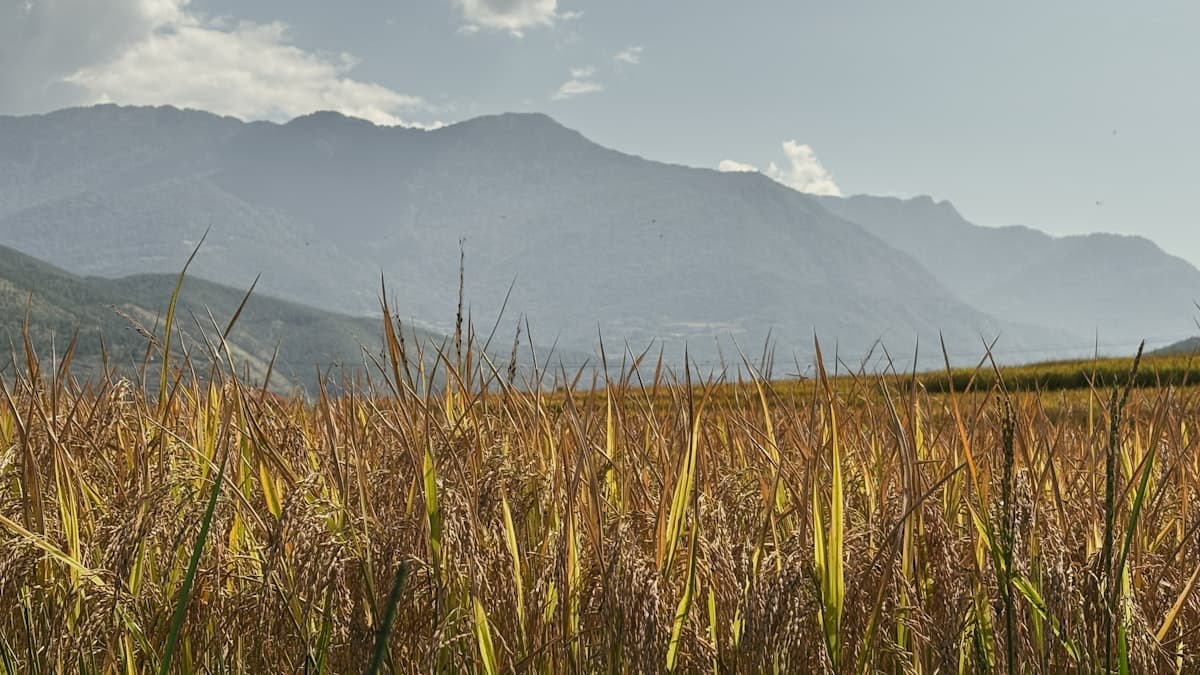
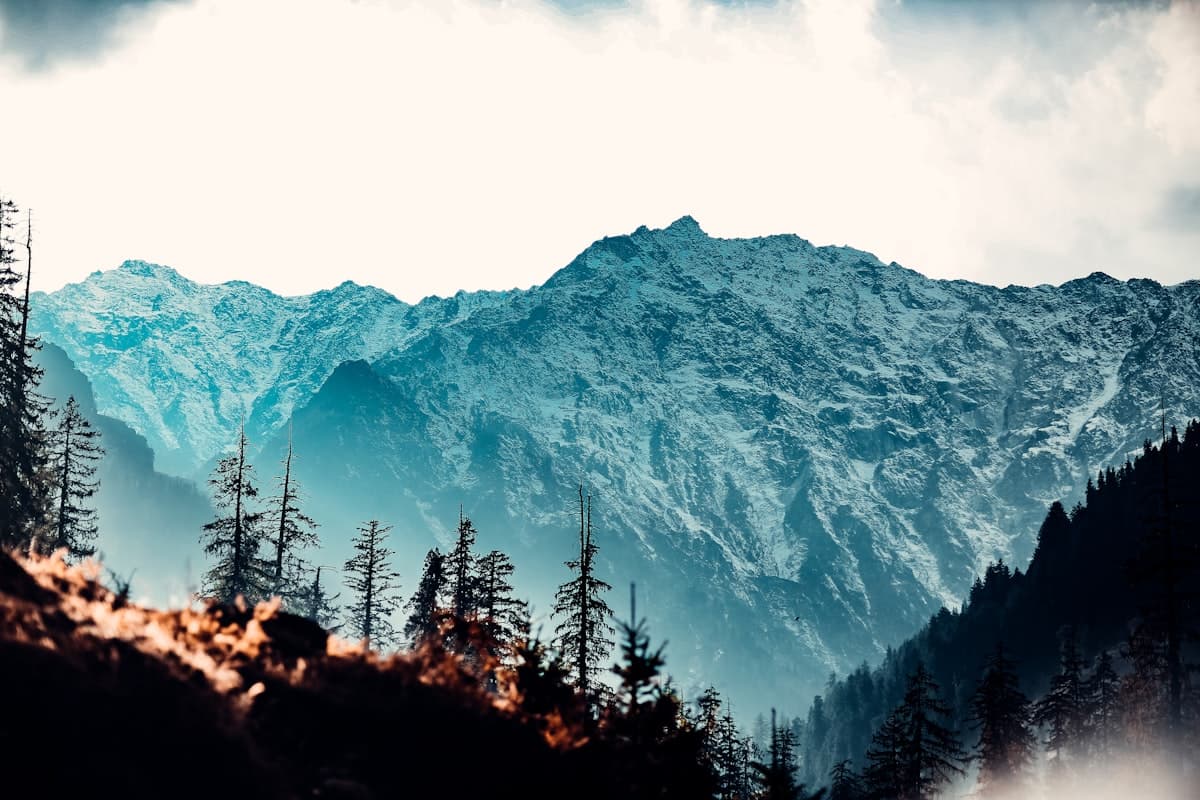
The Dochula-to-Punakha section descends from the pass through rhododendron forest, passes through tiny villages where farmers wave and children stare, crosses bridges over white-water rivers, and arrives in the Punakha Valley with the kind of satisfaction that only comes from having walked rather than driven.
The trail connects you to the ground in a way that vehicles cannot. You feel the terrain change underfoot — packed earth to pine needle to stone to wooden bridge. You hear the landscape shift — wind giving way to birdsong giving way to river sound giving way to village life. You arrive somewhere you could have driven to in 45 minutes, but the version of yourself that arrives on foot is not the same person who would have stepped out of a car.
Sensory Profile
Noise Level
Crowd Level
Brightnessvariable (forest shade to open valley)
Temperaturestarts cold at Dochula, warms as you descend
SmellsPine forest, rhododendron, moss, river water, village cooking as you approach settlements
Unexpected SoundsBirdsong (enormous variety). Water crossings. Dogs in villages. Children.
Walking Difficultymoderate
Social ExpectationsGreet villagers. Trail courtesy: uphill walkers have right of way.
Quiet SpacesYes
Best Time (Low Stimulation)Always quiet. Very few other walkers.
Sensory data informed by clinical neurodevelopmental expertise.

Mindfulness Activity
The Pilgrim's Pace
Four prompts along the ancient pilgrim road, where silence, bridges, villages, and your own sentence await.
Grounding and sensory. A way in.
- 1
The Silence
The trail begins in silence. For five centuries, pilgrims walked this path matching breath to steps. The rhythm is still here.
In the first twenty minutes of walking, in silence, matching breath to steps.
Walk in silence. Match your breath to your steps: inhale for three steps, exhale for three steps. If the terrain changes, let the ratio change with it. After five minutes, notice whether your thoughts have slowed to match your feet. Count three breaths without losing track.
- 2
The Bridge
A bridge crossing where the water roars below and the railing vibrates with the river's force. The trail asks you to pause here.
Stopped at a bridge crossing, hand on the railing, looking at the water.
Place one hand on the railing. Feel the vibration of the river through the wood. Look upstream. Look downstream. The water is moving faster than you. Find one rock in the river that the water divides around. Watch how the water separates and rejoins after the obstacle.
- 3
The Village
The trail passes through small villages where farmers wave and children stare. You are walking through someone's entire life.
Passing through a village on the trail, surrounded by the details of someone else's daily life.
Notice one detail of village life that is happening right now, in real time, not arranged for you: smoke from a kitchen, a child's voice, laundry drying, a dog in the sun. Look at it for ten seconds. This is someone's ordinary afternoon.
- 4
The Sentence
At the end of the walk, one sentence. The trail has done its work. Now you name what it gave you.
At the end of the walk, sitting down, before returning to a vehicle.
Complete this sentence in your mind: 'I walked from _____ to _____ and the part I will remember is _____.' Do not overthink it. The first answer that arrives is usually the truest.
For Curious Minds
The Trans Bhutan Trail is extraordinary for ADHD minds because it never stays the same. The terrain shifts every twenty minutes — forest to clearing, shade to sun, silence to village, earth to stone to bridge. The trail provides sustained novelty wrapped in forward momentum. You are always going somewhere, and the somewhere keeps changing.
- •Terrain Journal: Every time the ground beneath your feet changes — packed earth, pine needles, stone, wooden bridge, mud, grass — note it. By the end of the walk you will have a map of textures. Most people walk an entire trail without noticing that the ground changed fifteen times.
- •Village Snapshot: At each village you pass through, find one detail that makes it different from the last. A different colour door. A different crop. A different sound. The villages look similar from a distance but are entirely distinct when you pay attention.
- •Story of the Trail: The Trans Bhutan Trail was walked by royal messengers who carried news across the entire country on foot. Before your walk, ask your guide: how long did it take a messenger to cross Bhutan? What did they carry? Where did they sleep? Walk with their story in your mind.
- •Sound Transitions: At five different points on the trail, stop for one minute and list every sound. The lists will be completely different each time. The trail is a sound journey as much as a physical one.
- •Bridge Challenges: At every bridge crossing, pause in the middle. Look upstream. Look downstream. Find one thing in the water — a rock, a pattern, a colour — that you want to remember. Bridges are natural stopping points for a mind that needs anchors.
Regulation Suggestion
If you feel restless, increase your pace for ten minutes. The trail allows it — the path is clear and the terrain is forgiving. If you feel overwhelmed or tired, the trail has natural resting points: every bridge, every village, every clearing. You do not need to push through. The trail waited five hundred years. It can wait for you.
What people felt here
“I walked for six hours and forgot about everything that was waiting for me at home. The trail did that.”
📍 Written Here
FreedomCalm
“A farmer waved at us from his field. We waved back. That was the interaction. That was enough.”
📍 Written Here
Connection
“Walking the same path that pilgrims walked for five hundred years. My feet hurt. I did not care.”
📍 Written Here
SpiritualityCourage